Somatic Memory: How Emotional Touch Permanently Rewires the Nervous System
# Neuroplasticity and Trauma: Affective Touch Memory and the Science Behind Somatic Therapy
### 1. What is happening? (The Essence)
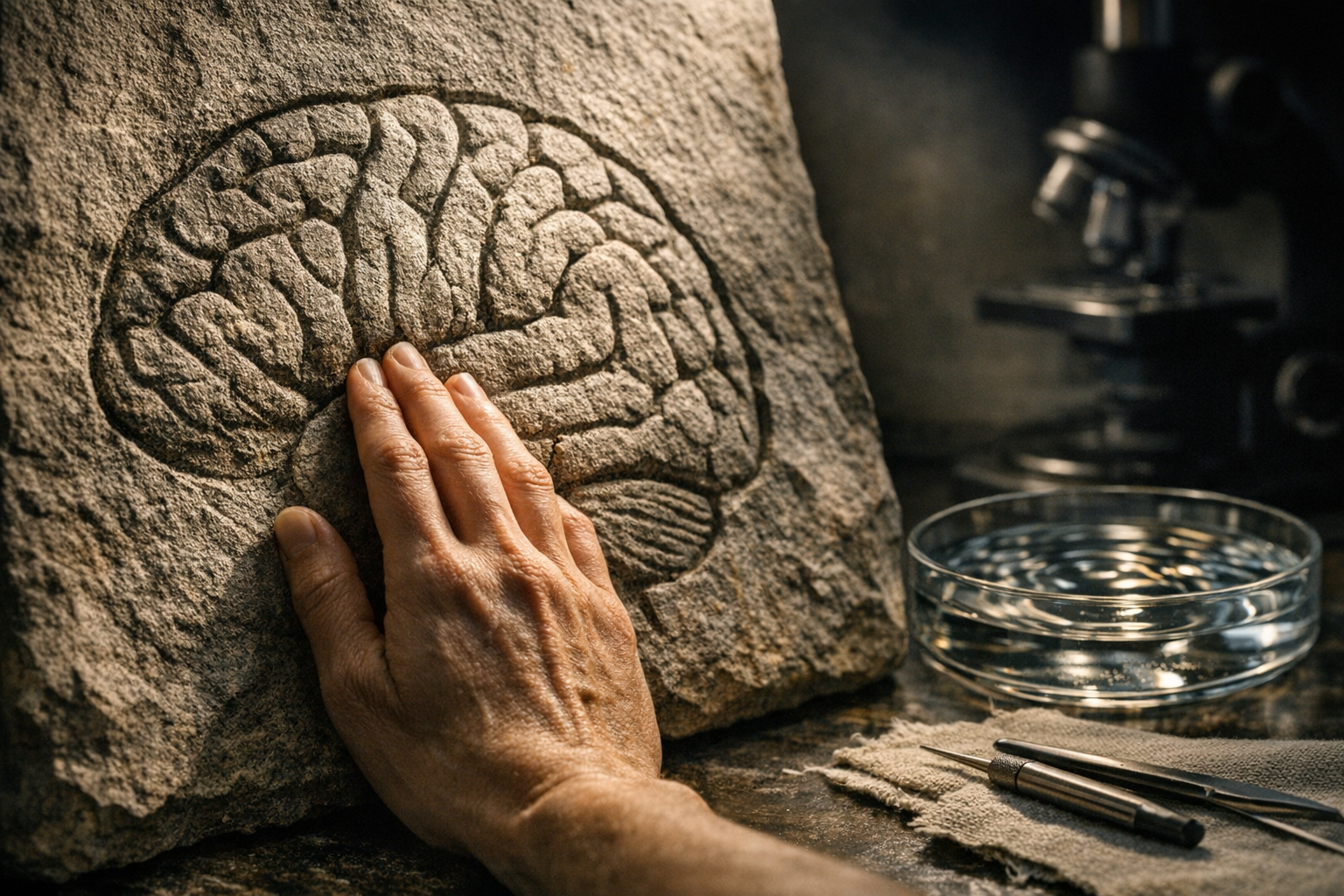
Researchers from Queen Mary University of London, the University of Trento, and Sigmund Freud University have published a neurobiological model of “affective tactile memory” in *Neuroscience & Biobehavioral Reviews*. The model proposes that emotionally meaningful touch is encoded through specialized sensory pathways and stored across brain systems involved in emotion, body awareness, and memory. For the field of neuroplasticity and trauma, the paper gives sharper language for how supportive, intrusive, absent, or threatening touch may leave durable nervous-system traces.
### 2. The Somatic & Systemic Context
For Paper Breakdowns, neural process infographics, expert interviews, and meta-analyses, this research is useful because it connects touch, emotion, and memory without reducing the body to a metaphor. The model centers on affective touch: slow, gentle, socially meaningful contact processed partly through C-tactile afferents, a class of nerve fibers associated with pleasant touch and social bonding. Earlier clinical research on affective touch has linked these pathways to the posterior insula, a region involved in interoception — the brain’s mapping of internal bodily states — and to wider networks including the amygdala, hippocampus, somatosensory cortex, and prefrontal regions.
This matters for the science behind somatic therapy because touch is not only a surface-level sensation. Studies suggest that the nervous system evaluates tactile input through context: who is touching, whether there is consent, the emotional tone of the relationship, previous experience, and perceived safety. The same type of contact can be calming in one relational setting and activating in another. That makes affective tactile memory a relational process, not just a skin-to-brain signal.
The paper also sits beside, but should not be confused with, adjacent discussions such as epigenetics inherited trauma. Epigenetic research examines how stress-related biological patterns may shift across generations; affective tactile memory focuses on how lived sensory experience may be encoded within an individual nervous system. Both areas raise questions about how bodies carry experience, but they operate through different mechanisms and levels of evidence.
### 3. The Dual Perspective
**What this means for daily life**
If certain forms of touch bring up tension, numbness, grief, irritation, freezing, or a strong urge to pull away, the reaction may not be “overreacting.” Your nervous system may be comparing the present moment with previous sensory-emotional patterns. That does not mean every body sensation is a literal memory, but it does mean tactile responses can carry emotional history.
Practical regulation begins with choice. Notice whether your body responds differently to pressure, temperature, speed, proximity, or who is present. Consent matters at the nervous-system level: being able to say yes, no, slower, lighter, or stop can change how the body processes contact. Non-touch options — weighted blankets, warm clothing, self-hold, orienting to the room, or placing feet firmly on the ground — may support regulation without requiring interpersonal touch.
**What this means for your practice**
For somatic practitioners and trauma-informed coaches, this research supports a cautious, evidence-based approach to touch. Touch-based interventions should never be treated as neutral. Intake, consent, client preference, cultural context, attachment history, and trauma history need to be part of the clinical decision-making process.
Scope of practice is central. Coaches and non-clinical practitioners should avoid interpreting tactile reactions as diagnostic evidence or as proof of specific past events. If a client shows severe dissociation, panic, flashbacks, self-harm risk, or destabilization, referral to a licensed mental health professional is the ethical route. For hands-on work, document consent, offer opt-outs repeatedly, explain what will happen before it happens, and keep the client’s agency visible throughout the session.
Applied well, the model can improve session design: slower pacing, clearer boundaries, more choice points, and more attention to relational safety. It also supports practitioner education. Clients benefit when practitioners can explain that body-based responses are part of nervous-system learning, not personal failure.
### 4. Key Takeaways
* Emotional touch is processed through specialized sensory-emotional pathways.
* Context and consent shape whether touch feels regulating, neutral, or threatening.
* Practitioners should use touch only within clear scope, consent, and ethical boundaries.
—
**Sources & References:**
1. Emotional Touch Leaves a Permanent Mark on the Mind – Original News
2. Emotional Touch Leaves a Permanent Mark on the Mind – Context
3. Affective Touch and the Neurophysiology of CT Afferents – Reference
**Recommended Video Resource:**
* What is Sensory Memory | Explained in 2 min – https://www.youtube.com/watch?v=tHwD5Ut0cmE
*Why we recommend this:* This short explainer helps clarify how sensory input can be briefly held and organized before becoming part of longer-term memory patterns.
**Further Reading on The Conscious Channel:**
For more research-focused updates on trauma-informed work, visit [Link to B2B Portal: Research Updates for Practitioners]. The portal is designed for practitioners who want concise study breakdowns they can translate responsibly into client care.
*(CMS & Social Data – Print exactly as below at the very end of your response)*
**CMS Tags:** neuroplasticity and trauma, affective tactile memory, neurology of touch, C-tactile afferents, somatic therapy research, trauma-informed practice, sensory memory, interoception, touch and consent, affective neuroscience
**Social Hashtags:** 106, 107, 108, 109, 140, #AffectiveTactileMemory, #CTactileAfferents