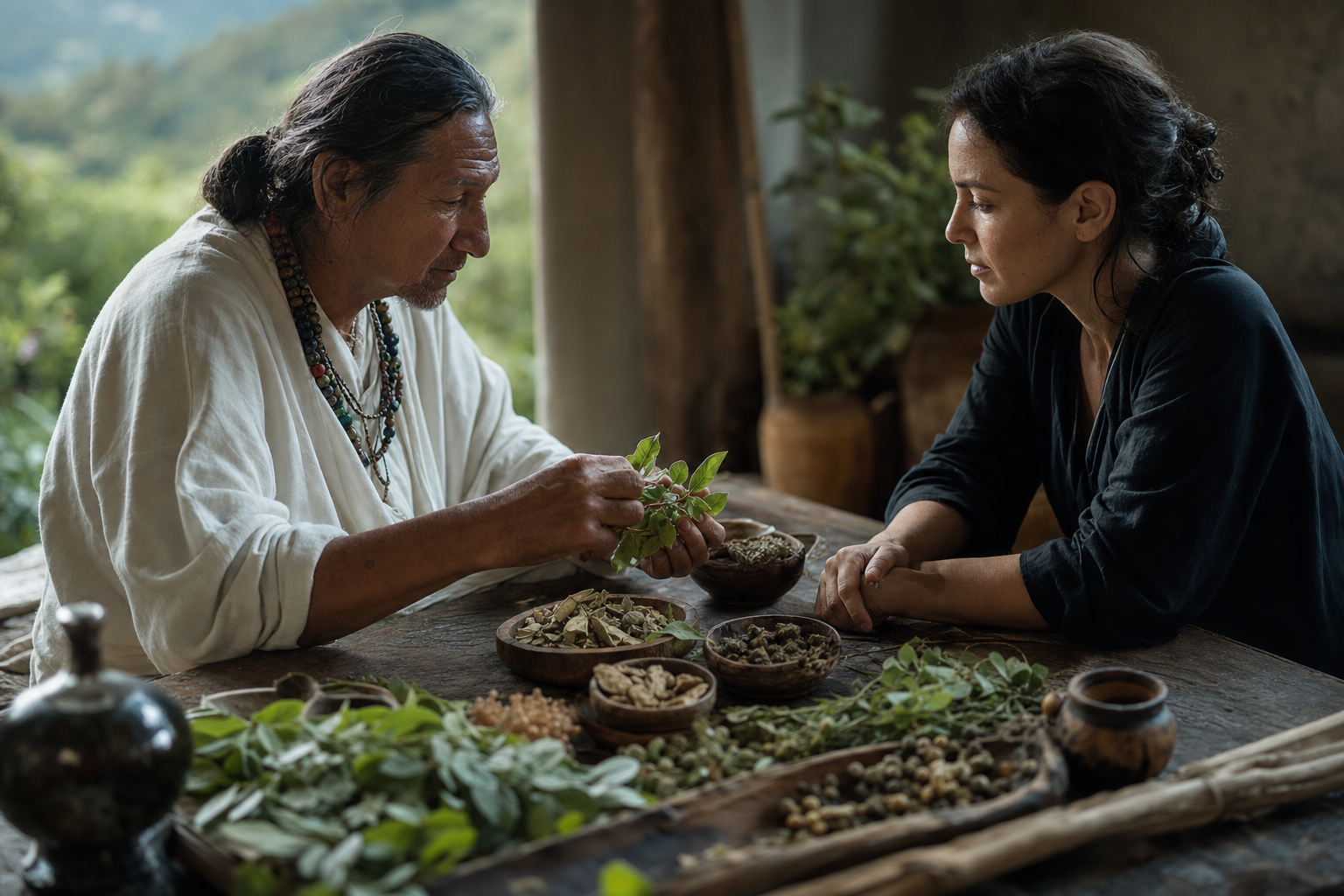
Plant medicine integration remains a clinical, evidence-based part of traditional medicine policy and practice
1. What is happening?
The World Health Organization’s Q&A on “Traditional medicine” frames traditional medicine as a broad field of knowledge, skills and practices used across cultures for health maintenance, prevention and care. For Plant Medicine Integration, the relevant point is clear: traditional practices can be part of health systems only when safety, evidence, quality and ethical regulation are taken seriously. WHO also distinguishes cultural use from clinical validity, noting that natural origin does not automatically mean safe or effective.
2. The Somatic & Systemic Context
The “WHO global report on traditional and complementary medicine 2019” places traditional medicine inside a policy landscape shaped by regulation, practitioner training, product quality, research standards and public health accountability. This matters because plant-based traditions are not only personal or spiritual practices – they also exist in systems that must protect clients from unsafe claims, contaminated products, unqualified providers and blurred clinical boundaries.
For somatic practitioners, the deeper context is nervous system integration. Intense non-ordinary experiences may involve heightened body sensation, emotional recall, shifts in self-perception or unresolved relational material. The clinical literature on integration, including the “PMC reference article on psychedelic integration”, describes integration as the process of making sense of significant experiences and translating them into stable daily functioning. That process is not the same as giving medical advice, endorsing substances or interpreting a client’s experience for them. It is structured support for regulation, meaning-making and behavioral follow-through.
3. The Dual Perspective
What this means for daily life
If you have had a strong plant medicine or altered-state experience, the most relevant question is not whether the experience was “big” or “special.” The practical question is whether your daily life is becoming more regulated, coherent and functional afterward.
Useful signs to track include sleep quality, emotional reactivity, appetite, conflict patterns, boundary setting, body tension and your ability to return to ordinary routines. If an experience leaves you feeling open, raw, confused or unusually sensitive, integration may involve slowing down rather than seeking more intensity. Grounding practices, simple movement, journaling, supportive conversation and reduced stimulation can help the nervous system metabolize material without turning it into a new identity or urgent life overhaul.
Clients should also be cautious with sweeping health claims. WHO’s position supports evidence-informed use of traditional medicine, not the assumption that every plant, ceremony or protocol is safe for every person. If you have medical conditions, take prescription medication or experience destabilizing symptoms, speak with a qualified health professional.
What this means for your practice as a coach, facilitator or bodyworker
For practitioners, this WHO framing reinforces a professional standard: plant medicine integration belongs in a safety-conscious, evidence-informed and clearly bounded practice model. Integration work can support reflection, body awareness, nervous system regulation and practical meaning-making. It should not include diagnosing, treating medical conditions, prescribing substances, recommending clients stop medication or positioning traditional practices as substitutes for licensed care.
Operationally, this calls for stronger intake procedures, written informed consent, referral pathways and documentation. Coaches and bodyworkers should screen for red flags such as acute disorientation, severe sleep disruption, self-harm risk, psychosis history, medication complexity or recent destabilization. These cases require referral to licensed mental health or medical professionals.
Ethically, practitioners need cultural humility. Traditional medicine is not a branding category to be extracted from its context. If you reference Indigenous, lineage-based or culturally specific practices, you need clarity on training, permissions, limits and language. The more clinical your claims sound, the higher your responsibility becomes to substantiate them and stay within scope.
4. Key Takeaways
- Traditional medicine policy supports evidence, safety and regulation – not blanket endorsement.
- Integration is about nervous system stabilization and daily-life coherence.
- Practitioners need clear scope, referral pathways and ethical cultural literacy.
Sources & References:
- Original News – “Traditional medicine”
- Context – “WHO global report on traditional and complementary medicine 2019”
- Reference – “PMC reference article on psychedelic integration”
Recommended Video Resource:
Why we recommend this: It clarifies training pathways and role boundaries for people considering integration work.
Further Reading on The Conscious Channel:
For related coverage, follow The Conscious Channel’s Altered States & Integration section and look for our Plant Medicine Integration archive. No internal article URL was provided in the source brief, so no internal link is added here.
#AlteredStatesAndIntegration #PlantMedicineIntegration #TraditionalMedicinePolicy #EvidenceBasedIntegration
This article was researched and drafted with the help of AI tools and is based on the sources linked above. It is general information, not medical, psychological or legal advice. Images are illustrations (AI-generated or licensed stock) unless credited otherwise. Our editorial standards