From Shame to Freedom: What We Discover When We Meet Each Other Naked
Disclosure: The Conscious Channel is published by Robert Kosse, who co-organizes the Soul Uncovered events mentioned in this article with Sacred Healing Arts. A version of this essay was first published on hipsy.nl.
How body positivity and embodied connection can change the way we see ourselves and each other.
Most of us carry an invisible weight. It hides behind our smiles, our posture, the way we cross our arms when someone looks a little too long. It is the quiet voice that says: Don’t show too much. Don’t take up space. Don’t be weird.
That voice is shame. It is one of the most universal human emotions, and one of the least talked about.
Shame tends to appear when our sense of belonging or worth feels threatened, when we feel seen in a way that does not feel safe. Psychologists distinguish it from guilt: guilt focuses on something we did, shame on who we are. Research links guilt more often to repair and making amends, while intense shame is more often linked to hiding and withdrawal (Tangney, Stuewig & Mashek 2007). When shame is ridiculed or used against us, it can drive us to hide, to conform and to live smaller than we are.
The social fabric of shame
Shame is not only personal. It is cultural. Many of us live in environments that reward polish and punish the messy truth. We scroll through flawless bodies and ideal lives and compare ourselves to images no one actually lives.
This constant comparison can leave us on alert. We learn to police our bodies, our feelings, even our joy. Many people do not notice how much this shapes their relationships: closeness without fear, vulnerability without panic, pleasure without guilt can all feel out of reach.
And yet shame can also be a signpost. It points to where we long to be met with understanding. Looked at with kindness, it can become a bridge between who we pretend to be and who we are.
The naked mirror
Imagine a room where nobody hides behind labels, roles or clothes. Just people. Some bodies are scarred, some soft, some strong, some trembling. You might expect discomfort. Many people describe relief instead, because the pretending stops.
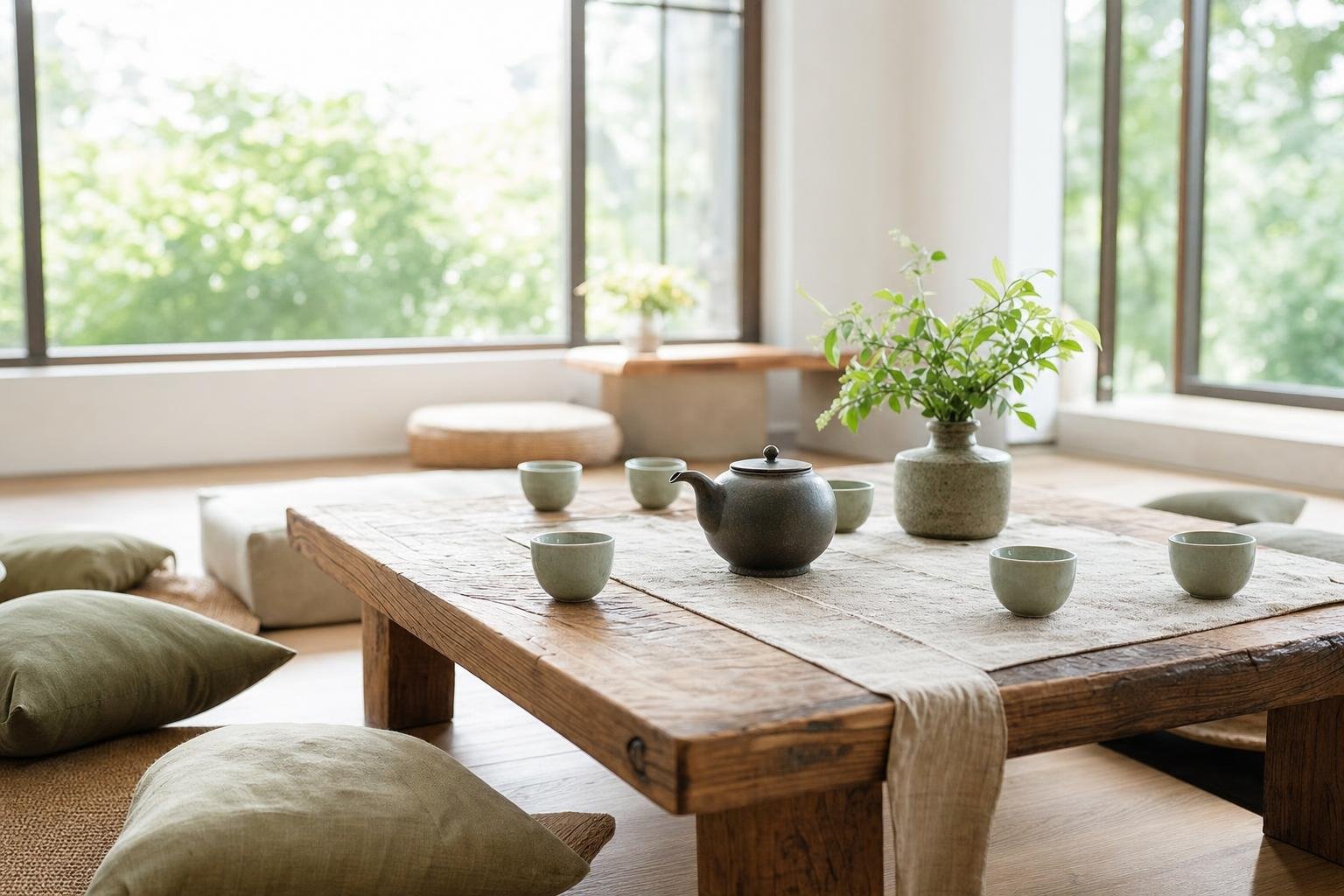
Gatherings like Soul Uncovered: The Naked Tea Experience in Ghent are built around that kind of honesty. It is a sober, body-positive evening where the body is seen as something alive and worthy of respect rather than as an object to perform with. There is tea instead of alcohol and quiet instead of small talk. There is music and movement, but no need to impress.
Participants often describe something softening in such a space: the sense that being seen does not have to mean being judged, and that safety can come from honesty rather than hiding.
Meeting shame
Shame can wound or teach, depending on how we meet it. Being humiliated by others makes us shrink. But when we allow ourselves to feel shame from the inside, with support and without running away, it can become an invitation to grow, toward compassion for ourselves and others.
Spaces like these do not try to erase shame. They give it room. What has room can breathe, and what breathes can change: tightness in the chest can turn into warmth, fear of being seen into a wish to connect. Not everyone experiences it this way, and that is fine too. Anyone carrying heavy shame or trauma may want to explore it first with a therapist.
Body positivity, beyond the hashtag
Body positivity is not about forcing yourself to love every inch of your body. It is about unlearning the idea that your worth depends on how your body looks. It is a quiet practice of coming home to yourself, again and again.
This work is not glamorous. It is slow and sometimes uncomfortable. It can also be freeing. Each time someone chooses to show up without armor, without makeup, without the usual escape routes, it becomes a little easier for others to do the same.
Freedom as belonging
We often think of freedom as independence, as breaking away. Perhaps a deeper kind of freedom is belonging: not because you fit in, but because you no longer need to hide who you are.
To be seen without masks is not exposure. For many people it feels like communion.
If this speaks to you, you can find more about upcoming Soul Uncovered gatherings at Sacred Healing Arts. As noted above, the publisher of The Conscious Channel is involved in organizing these events.
Sources
- Tangney J.P., Stuewig J., Mashek D.J. (2007). Moral emotions and moral behavior. Annual Review of Psychology, 58, 345–372. DOI
This article was researched and drafted with the help of AI tools and is based on the sources cited in the text. It is general information, not medical, psychological or legal advice. Images are illustrations (AI-generated or licensed stock) unless credited otherwise. Our editorial standards